Service at pilgrimage centres
Pilgrim assistance became a distinct form of public welfare, joining spiritual guidance with physical care.
 Bharat Sevashram SanghaGurugram Branch
BHARAT SEVASHRAM SANGHA
From Bajitpur in 1917 to a network of service institutions: the Sangha’s beginnings, early relief work and continuing purpose.

BAJITPUR · 1917
The origin of Bharat Sevashram Sangha lies in Bajitpur, in the Madaripur region of undivided Bengal, now Bangladesh. Acharya Swami Pranavanandaji Maharaj established the Sangha there on Maghi Purnima in 1917, giving organised expression to his conviction that spiritual realization and the needs of society must be addressed together.
The early ashram was not envisioned simply as a retreat. It was a place from which discipline, courage, self-control and service could flow outward. The founder believed that spiritual practice should equip people to respond to suffering, strengthen character and work collectively for the country.
From this beginning, the Sangha developed a monastic community and a network of lay supporters. Its activities extended beyond devotional instruction into public service: feeding distressed families, caring for the sick and assisting pilgrims. This reflected the founder’s belief that renunciation should not become indifference. The discipline cultivated within the monastery had to find expression in the needs and hardships of the wider world.
EARLY SERVICE
During the 1920s the Sangha took part in relief efforts during distress and food scarcity in Bengal. Its institutional accounts describe young volunteers collecting contributions and organising practical aid, linking local participation to the newly founded monastic order.
The Sangha’s work in the aftermath of the 1934 Bihar earthquake became another important expression of this mission. Relief was not treated as a departure from spiritual responsibilities; it became one of the ways those responsibilities were fulfilled.
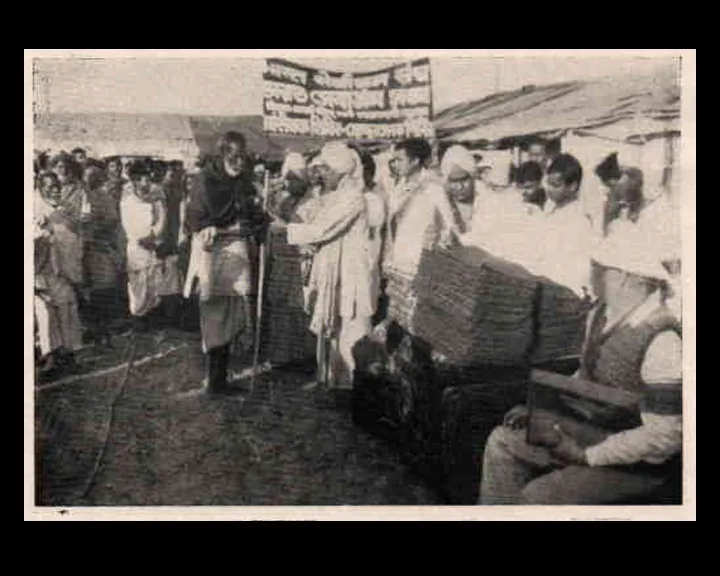
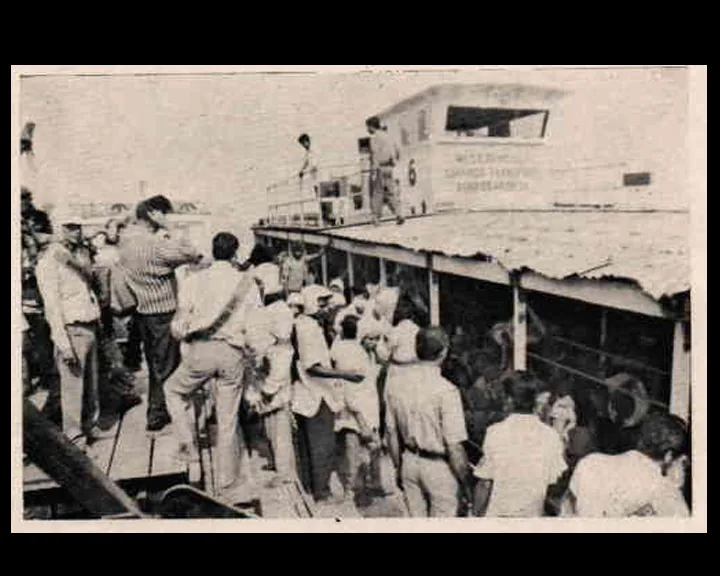
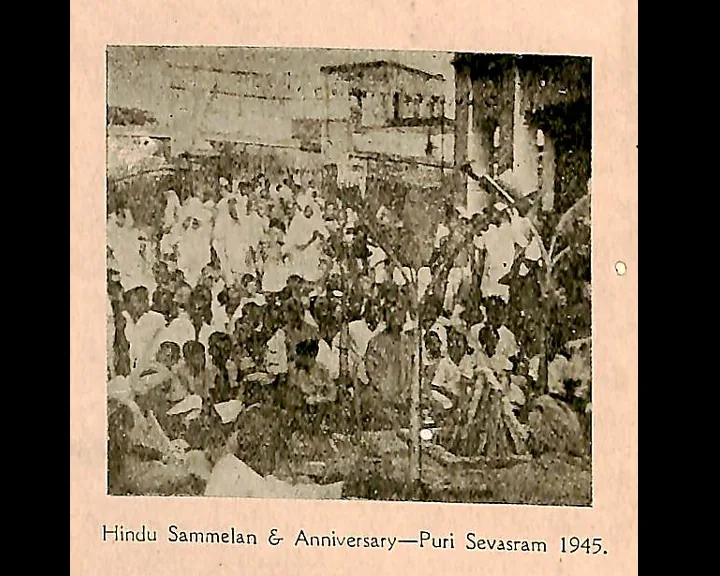
As the organisation grew, pilgrim service also assumed importance. Assistance at places of pilgrimage and large religious gatherings brought together shelter, medical attention, guidance and care for travellers in difficult circumstances.
A HISTORY OF RESPONSE
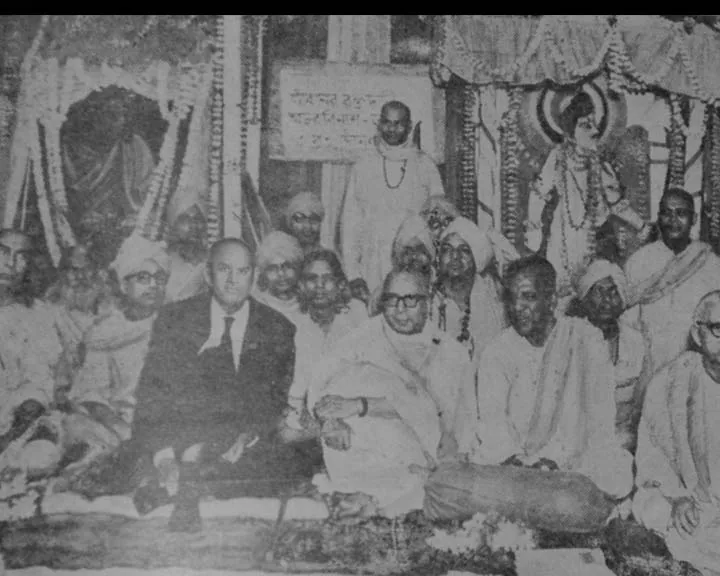
These movements shaped an institution able to respond to both sudden crises and enduring social needs.
Pilgrim assistance became a distinct form of public welfare, joining spiritual guidance with physical care.
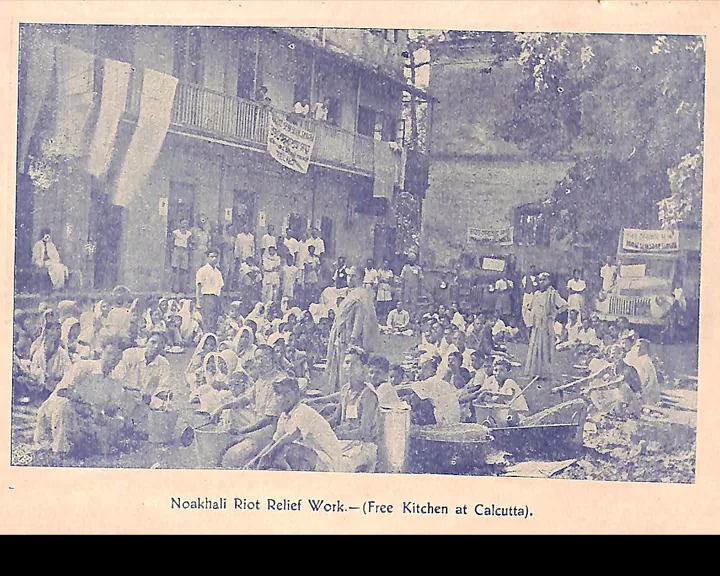
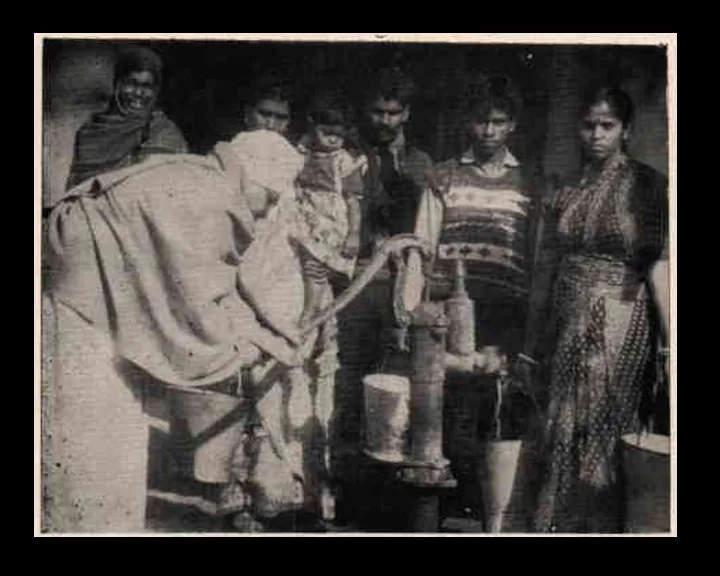
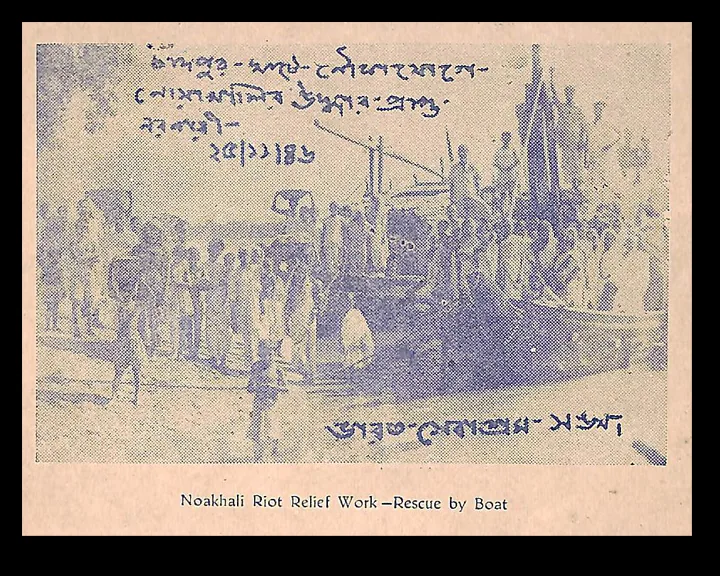
Monks and volunteers worked together to deliver assistance where disasters and displacement disrupted ordinary life.
Institutions for treatment, learning and student welfare gradually complemented the Sangha’s emergency relief work.
A CONTINUING CHAPTER
After the founder’s lifetime, the Sangha’s centres continued to develop educational institutions, health services and welfare programmes. Its published histories describe assistance during major floods, cyclones, earthquakes and periods of social displacement.
The needs changed across places and decades, but the underlying response remained recognizably similar: organise people, gather resources, reach those most affected and help communities regain stability. The Sangha’s present network still draws meaning from those early practices. The rare archive of photographs associated with Puri in the mid-1940s helps place this history in a living public setting. Pilgrims, volunteers and religious gatherings were already part of the institution’s field of service. In later decades, schools, hospitals and community initiatives widened the reach of the same purpose.
Discover its present-day service work and branch network.