
What is the goal of life?
“Self Realisation, Universal Emancipation.”
Spiritual growth is joined to a concern for the liberation and well-being of others.
 Bharat Sevashram SanghaGurugram Branch
GURU MAHARAJ / TEACHINGS
Sangha Vani & enduring messages
Brief, direct teachings on self-realization, truth, courage and the discipline of daily living.
Explore Sangha Vani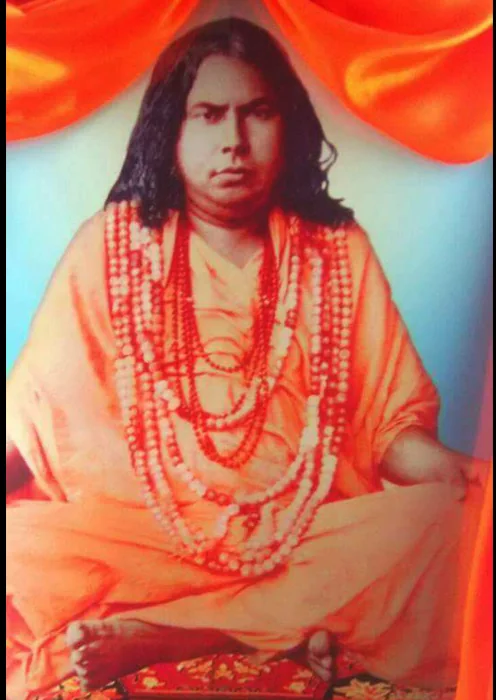
THE WORDS OF THE MASTER
Sangha Vani gathers concise teachings attributed to Guru Maharaj. Their themes are practical and enduring: the goal of life, the cultivation of strength, the value of truth and the discipline needed for self-mastery.
SANGHA VANI
Explore the teachings through accessible, individually framed reflections.
“Self Realisation, Universal Emancipation.”
Spiritual growth is joined to a concern for the liberation and well-being of others.
“Patience, Fortitude and Endurance.”
Lasting strength is cultivated through steadiness, especially in difficulty.
“Self-Confidence, Self-Reliance and Self-Respect.”
Personal dignity and responsible action begin with strength of character.
“Energy, Enthusiasm and Perseverance.”
Purposeful effort turns good intention into something useful for the world.
READING THE SANGHA VANI
The Sangha Vani is memorable for its direct questions and concise answers, but its value extends beyond memorizing individual lines. Taken together, the teachings invite a steady examination of what a person seeks, what weakens resolve, and which qualities make service possible.
Several themes recur across the teachings: attention to the inner self, the importance of courage, the protection of moral character and the need for sustained effort. These themes connect individual spiritual progress with concern for family, society and humanity.
FURTHER REFLECTIONS
Life becomes more coherent when actions are connected to a considered ideal. Rather than moving from one distraction to another, we can ask what gives our efforts direction and whether our decisions serve that purpose.
To remember the self is to refuse a purely mechanical way of living. It encourages attention to motives, habits and reactions before they shape conduct toward other people.
Fear and discouragement can narrow our sense of possibility. Guru Maharaj’s teachings repeatedly challenge the habit of surrendering before difficulties have been faced with patience.
Enthusiasm matters, but perseverance makes it dependable. Useful work often requires returning to the same responsibility day after day without immediate reward.
Indolence is presented not merely as a personal weakness but as an obstacle to good that could otherwise be done. The practical response is to begin, take responsibility and remain engaged.
The ability to distinguish lasting value from passing attraction helps preserve clarity. Thoughtful judgment supports restraint without turning life into indifference or withdrawal.
Confidence grows when a person accepts responsibility and prepares to act. In the Sangha’s teaching, self-respect is associated with integrity and strength rather than the display of superiority.
Patience is not passivity. It is the composure that allows a difficult task to be pursued without panic, resentment or the abandonment of an ideal.
Truthfulness matters most when it affects a real choice. Words, commitments and dealings with others should be consistent with the principles a person professes.
Self-sacrifice becomes meaningful when it frees time, skill or resources for someone else’s welfare. It is a practical way to widen the circle of concern.
Collective work turns scattered goodwill into sustained support. A spirit of cooperation makes it easier to respond to illness, deprivation and shared difficulties.
Prayer, quiet reflection and disciplined habits help restore purpose amid busy activity. Outward work gains steadiness when it is accompanied by regular inward attention.
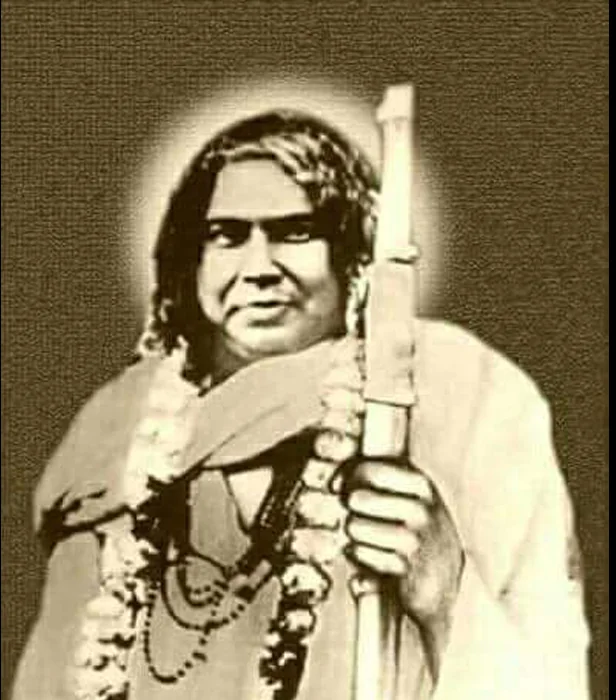
FROM WORDS TO CONDUCT
These reflections connect self-sacrifice, self-control and truthfulness with daily conduct. They encourage us to overcome fear and inertia and to develop the resolve needed for service.
Read together, the messages speak to both personal spiritual life and the responsibilities we share within our communities.
Explore the underlying philosophyTEACHINGS IN PRACTICE
Guru Maharaj did not present spiritual discipline as the privilege of a few people removed from ordinary responsibilities. His guidance calls for clear purpose, trustworthy conduct and energy directed toward something larger than personal comfort.
These ideas can be approached in different stages of life. A student may understand discipline as seriousness toward study; a volunteer may understand it as reliability; a person facing hardship may find strength in patience, courage and self-respect.
For the Sangha, the same qualities underpin service activities. An institution cannot sustain relief, care or education through goodwill alone. It also needs commitment, self-control and people prepared to work together.
BRINGING THE TEACHINGS INTO LIFE
Let honesty and conscience shape decisions, large and small.
Build consistency in thought, habit and responsibility.
Meet difficulty with patience rather than fear or indifference.
Look for practical ways to support people who need help.
HISTORICAL & DEVOTIONAL IMAGES



THE JOURNEY CONTINUES
Return to Guru Maharaj's life and vision, and carry these teachings into everyday action.