
Self-discipline
Mastery over one's habits and conduct creates the steadiness required for spiritual and social responsibility.
 Bharat Sevashram SanghaGurugram Branch
GURU MAHARAJ / PHILOSOPHY
A philosophy grounded in self-discipline, truth, renunciation and a generous commitment to the welfare of humanity.
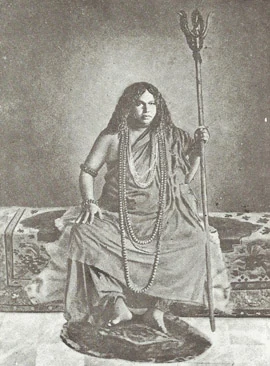
THE CENTRAL IDEA
The teachings associated with Guru Maharaj join personal spiritual realization with an active responsibility toward people and society.
The Sangha describes its own purpose through this connection: the pursuit of a disciplined inner life and the practical improvement of human welfare. Spirituality is therefore not withdrawal from the world, but a source of character, compassion and service within it.
FOUNDATIONAL IDEALS
Distinct ideas that work together in Guru Maharaj's philosophy.
Mastery over one's habits and conduct creates the steadiness required for spiritual and social responsibility.
Integrity, moral courage and devotion to truth shape a person's actions toward others.
Freedom from narrow self-interest makes room for a larger commitment to people in need.
Compassion is made tangible through relief, education, healthcare and assistance without discrimination.
THE HEART OF THE TEACHING
The Sangha often summarizes its spiritual outlook through two complementary aims: the development of the individual toward self-realization, and the advancement of human welfare. These are not competing tasks. The inner life gives direction to outward work, while service prevents spirituality from becoming isolated from the needs of others.
In the teachings associated with Guru Maharaj, the starting point is the person. Habits, motives, speech and conduct deserve careful attention. A person who develops steadiness and integrity is better equipped to support a family, a community and a wider social cause.
At the same time, the measure of that growth is not private accomplishment alone. It becomes visible in how we treat vulnerable people, whether we stand firm for what is right, and whether we contribute something useful to the world around us.
PRACTICAL SPIRITUAL PHILOSOPHY
Compassion becomes socially meaningful when it is organized into action. Relief work, education and care for the sick are not substitutes for spiritual life; within the Sangha’s interpretation, they are expressions of its responsibility to humanity.
That outlook asks individuals to contribute their abilities while working together rather than seeking personal prominence.
In this tradition, discipline is not merely a list of prohibitions. It is a way of protecting attention and energy from habits that make a person restless, fearful or dependent. Regular practice, a clear sense of duty and the restraint of impulse are presented as conditions for independent moral judgment.
When the mind is less easily pulled by distraction, it becomes possible to act with clarity even during difficulty.
Truthfulness gains substance when it is reflected in conduct. Guru Maharaj’s guidance repeatedly returns to strength of character, responsible decision-making and the courage to remain loyal to one’s ideals when circumstances are unfavorable.
For a household, a student or a volunteer, this is practical ethics: reliability, honesty and perseverance in the responsibilities already close at hand.
Renunciation in Guru Maharaj’s philosophy points toward loosening the hold of ego and personal comfort. It does not automatically mean turning away from human relationships or useful activity. Instead, it creates space for a broader purpose.
Where self-importance decreases, service can become more attentive, patient and respectful.
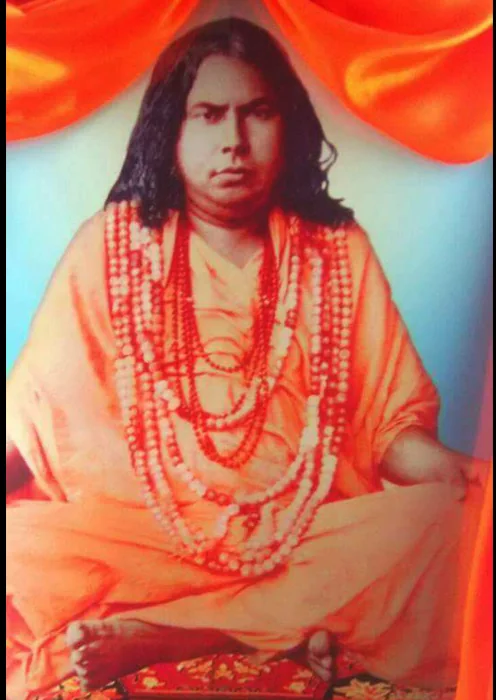
BEYOND INDIVIDUAL PRACTICE
Guru Maharaj's concerns extended beyond individual spiritual practice. The Sangha's accounts describe his opposition to untouchability and social division, and his emphasis on courage, character-building and cooperation.
This outlook helped shape initiatives such as Sanatan Dharma and cultural initiatives, as well as organized humanitarian and educational work across communities.

UNITY & HUMAN DIGNITY
Guru Maharaj’s ideas were shaped in a society marked by caste barriers, hardship and unequal access to support. The Sangha’s historical account describes his strong criticism of untouchability and the indifference shown toward people who were poor, ill or socially excluded.
His response emphasized solidarity, courage, cooperation and the formation of character. He wanted people to gain the confidence and practical skills needed to rise beyond helplessness. Spiritual concern was therefore connected with social responsibility, not separated from it.
Community prayer, shared service, education and mutual assistance offered different ways to build that spirit of unity. The form could vary, but the essential demand remained the same: recognize the dignity of others and act upon that recognition.
THE PRACTICE OF INNER STRENGTH
These ideals can appear demanding, but they also provide a practical framework for ordinary life. We meet them when we choose care over indifference, keep promises despite inconvenience, or offer time and ability where they are needed.
Spirituality, in this understanding, is more than a mood or an occasion. It is the gradual strengthening of conscience. A person may develop it through meditation, study and prayer, and then test it in relationships, work and service.
That connection between aspiration and action is what makes Guru Maharaj’s philosophy relevant beyond its historical setting. It calls for an inwardly grounded person who is also useful to the wider community.
HISTORICAL & DEVOTIONAL IMAGES
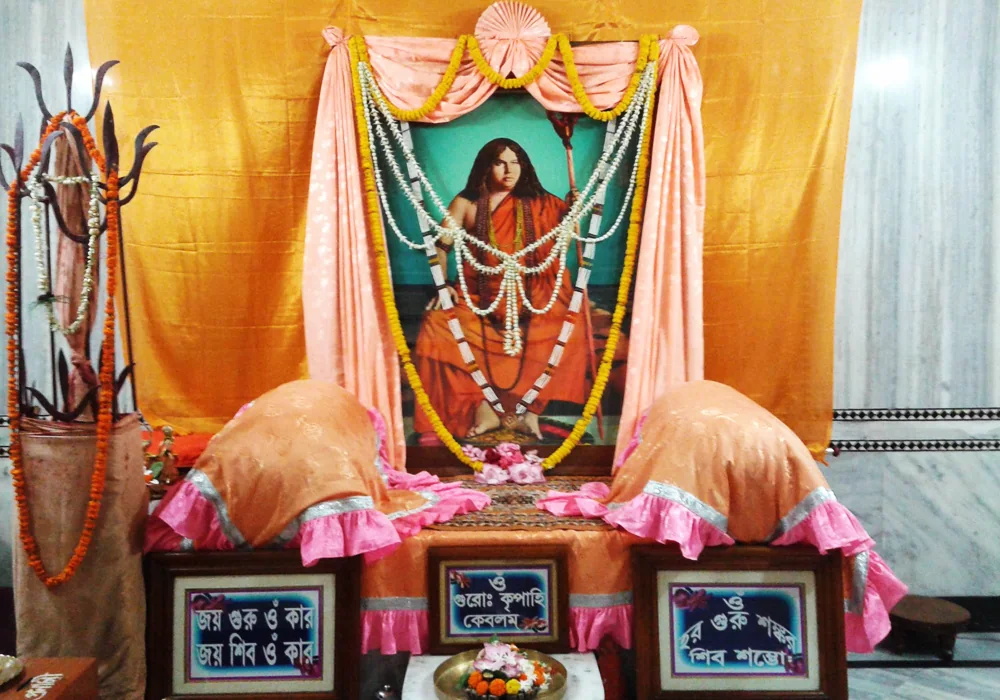
FROM IDEALS TO PRACTICE
It calls for disciplined living, consideration for others, courage in adversity and practical action wherever suffering is found.