
 Bharat Sevashram SanghaGurugram Branch
BHARAT SEVASHRAM SANGHA
Bharat Sevashram Sangha
A spiritual brotherhood founded in 1917, bringing disciplined living and organised service together in the welfare of humanity.

A SANGHA WITH A PURPOSE
An ashram that moved toward society
Founded by Acharya Srimat Swami Pranavanandaji Maharaj in 1917 at Bajitpur, the Sangha brought together the disciplines of spiritual practice and organised service. What began in an ashram grew into a network of monks, volunteers, schools, clinics and centres responding to immediate human needs.
Its name carries its purpose. ‘Bharat’ points to the life and welfare of the country; ‘Seva’ to service in practical form; ‘Ashram’ to disciplined living; and ‘Sangha’ to strength through collective work. The words explain why the institution’s social initiatives and spiritual vocation are inseparable.
Today the Sangha is widely associated with pilgrim assistance, disaster relief, education and health services. At each site these activities take different forms, but their common foundation is an understanding that compassion calls for action. Its educational programmes range from primary classes and student accommodation to vocational training. Healthcare includes clinics that travel to communities beyond the reach of large hospitals. Together these services make the Sangha recognisable in both cities and remote settlements.
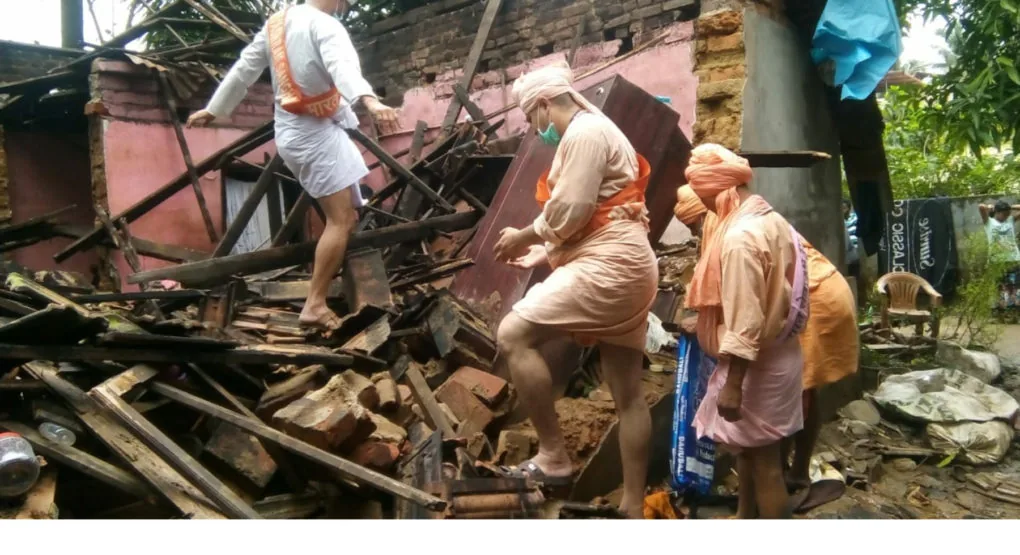
- Relief & rehabilitation organised assistance after floods and cyclones.
- Healthcare charitable care and outreach beyond major cities.
- Education institutions and learning programmes serving communities.
THE SANGHA IN NUMBERS
An enduring network of service
THE WORK
Where its commitment is visible
A spiritual organisation with a public-service mission—seen in the everyday life of its institutions.
Relief and rehabilitation
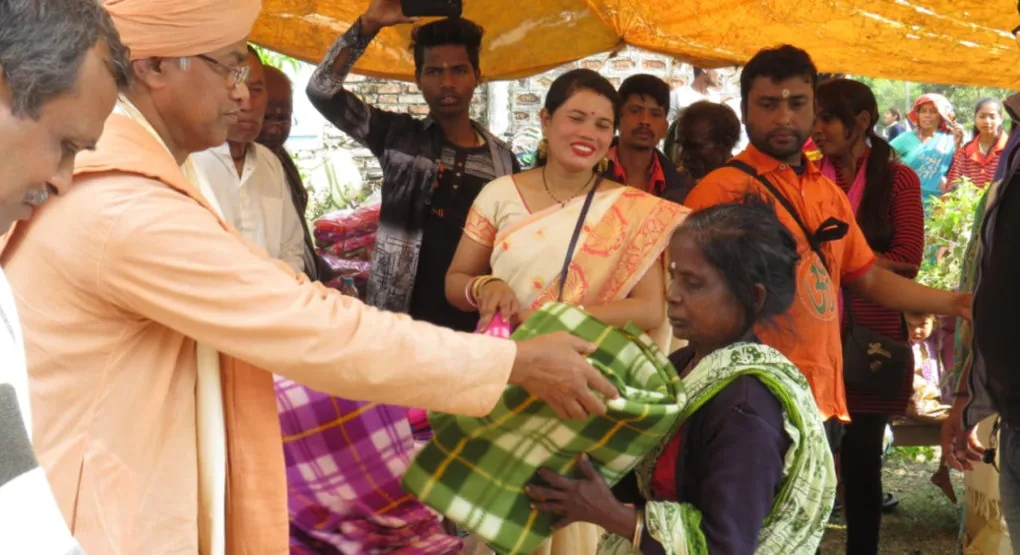
Food, essential supplies, temporary shelter and assistance to communities affected by floods, cyclones and other disasters.
Healthcare
Hospitals, charitable clinics, mobile medical units, preventive health services and outreach in rural communities.
Education
Schools, student homes, moral education and opportunities for children with limited access to formal learning.
Community development
Vocational training, self-help groups, agricultural support and programmes encouraging social cooperation.
ITS SPIRITUAL CHARACTER
Discipline and compassion
The Sangha was established as a monastic brotherhood, but its service is not restricted to monks or residents of an ashram. Local volunteers, doctors, teachers, donors and community members contribute skills and effort wherever help is needed.
The idea of strength through organisation is especially important in the Sangha’s teaching. A single individual may offer sympathy; an organised community can create a clinic, run a school or coordinate large-scale disaster relief. The link between character and collective service continues to define the institution. The Sangha’s development initiatives in the Sundarbans offer an example: schools, health visits and self-help groups work toward different but connected aims. Learning, health and the ability to earn a livelihood reinforce one another, showing how a broad idea of social welfare can be translated into particular programmes.
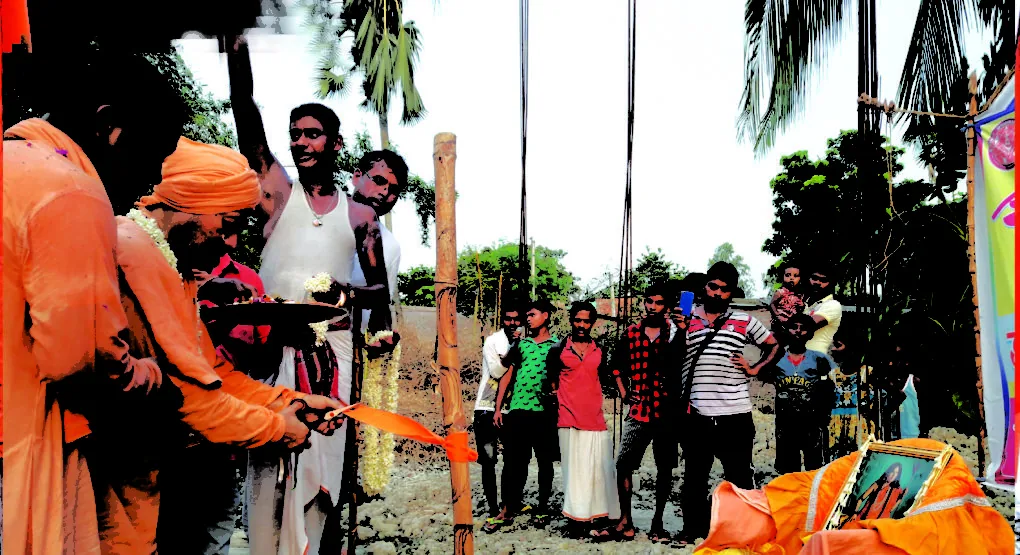
PHOTOGRAPHS
Service in many forms
A glimpse of public service, community programmes and the Sangha’s continuing work.
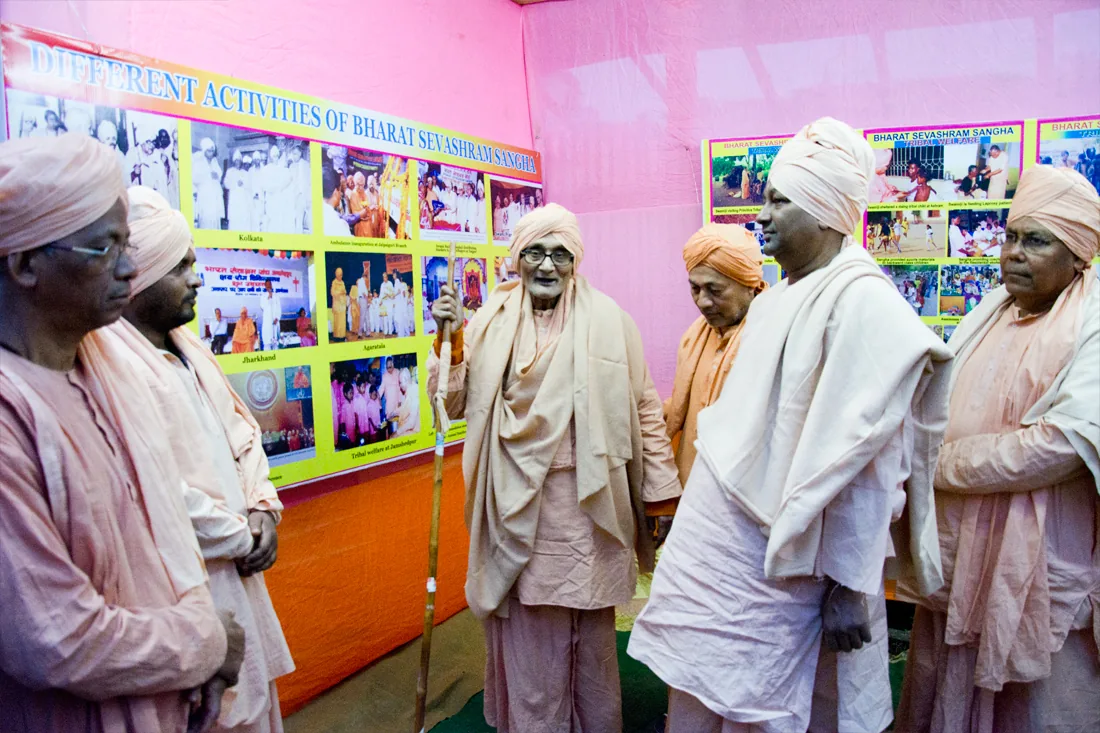
A shared mission, many ways to serve.
Learn how to participate in BSS Gurugram’s programmes.