
 Bharat Sevashram SanghaGurugram Branch
BHARAT SEVASHRAM SANGHA
The Saptarshi
Seven revered sages whose lives form an important part of the Sangha’s monastic heritage and spiritual fellowship.
Photograph unavailable
THE MONASTIC LINEAGE
The Sangha’s seven revered sages
The spiritual heritage of Bharat Sevashram Sangha is inseparable from its founder and the monastic disciples who carried forward its discipline and ideals. The seven revered sages—known collectively as the Saptarshi—hold a distinctive place in the Sangha’s account of its early spiritual lineage.
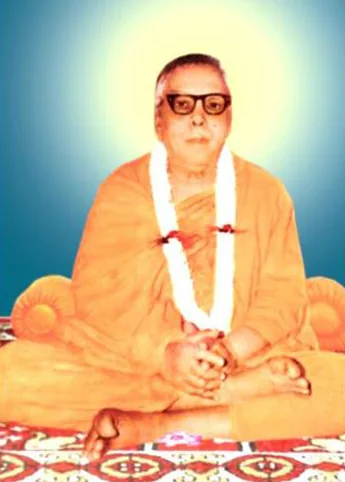
Their portraits are presented here together, not as interchangeable images of an anonymous monastic order, but as seven individually named personalities. The fellowship they represent grew around self-discipline, spiritual practice and a commitment to work for others.
The Saptarshi also give a human face to the Sangha’s principle of collective strength. The enduring institution rests not only on a founder’s vision but also on disciples who received, lived and transmitted that vision. Their remembrance is therefore not a separate ornament in the institution’s story. It is tied to the practical question of how a monastic order preserves continuity: through daily practice, instruction, a shared standard of conduct and the acceptance of responsibilities from one generation to the next.
SEVEN REVERED SAGES
The Saptarshi
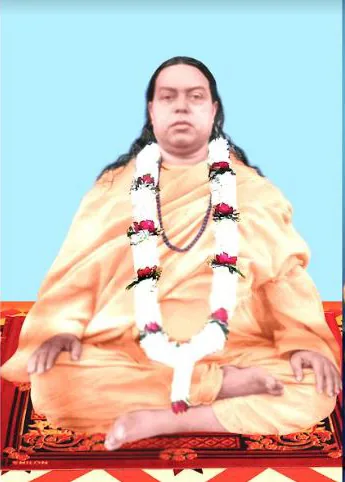
Srimat Swami Bijnananandaji Maharaj
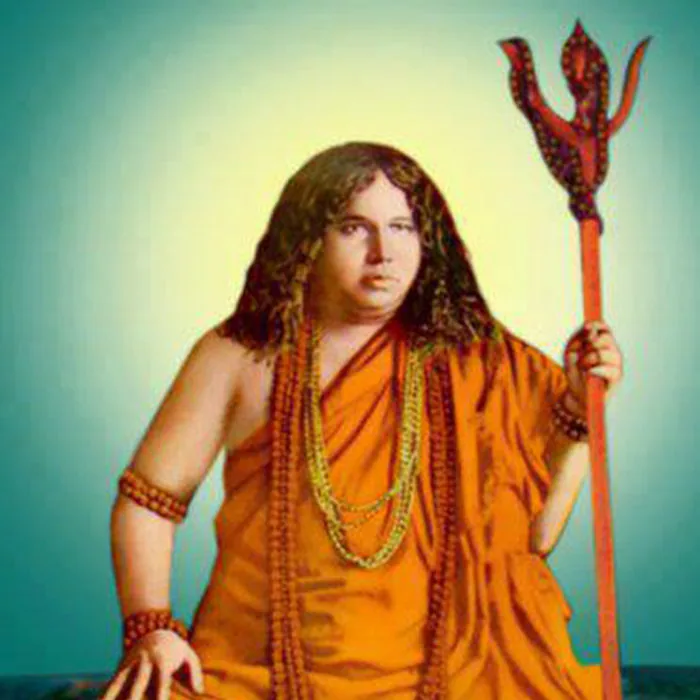
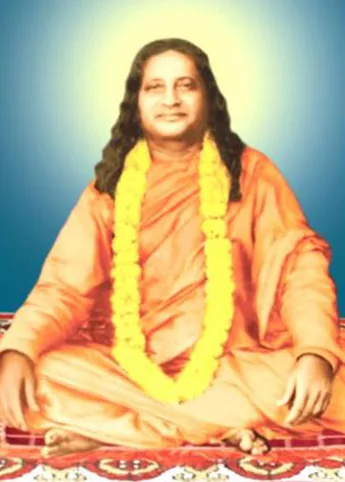
Srimat Swami Vedanandaji Maharaj
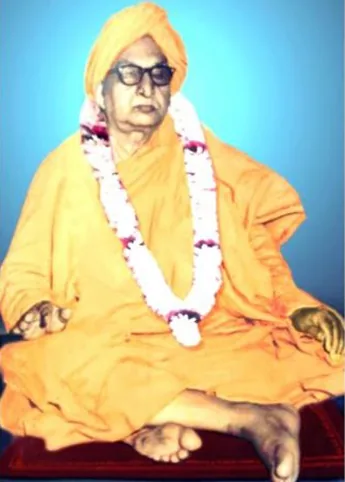
Srimat Swami Yoganandaji Maharaj
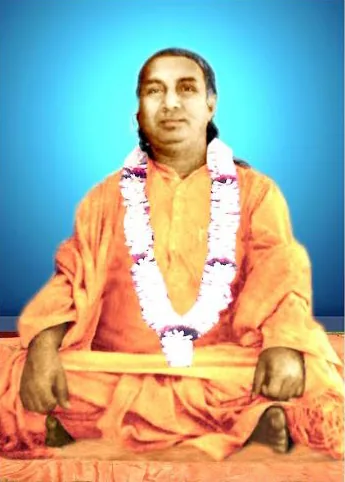
Srimat Swami Adaitanandaji Maharaj
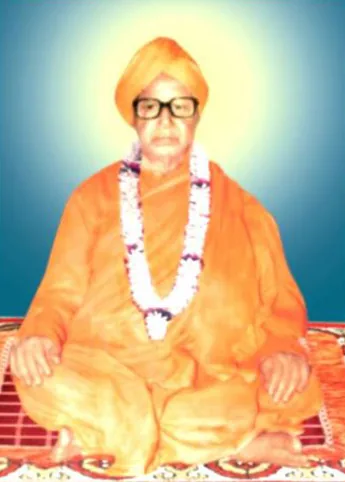
Srimat Swami Atmanandaji Maharaj
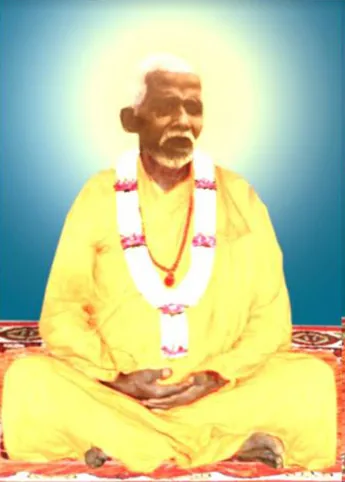
Srimat Swami Nirgunanandaji Maharaj
DISCIPLESHIP AND SERVICE
A living spiritual inheritance
In Indian monastic traditions, the teacher-disciple relationship is sustained through practice rather than ceremony alone. A disciple receives guidance, develops character, accepts responsibility and helps preserve a spiritual way of life for future generations.
Within Bharat Sevashram Sangha, those responsibilities connect inner life with outward service. The discipline of the ashram is meant to strengthen patience, restraint, courage and the ability to work with others. Through a shared life of purpose, the monastic order seeks continuity across changing social circumstances.
The seven portraits bring the Sangha’s spiritual lineage into view. Each represents a distinct member of the early monastic fellowship, whose example forms part of the Sangha’s continuing religious and institutional memory. A photograph captures a face, but the tradition remembers a wider relationship: the shared devotion to Guru Maharaj, participation in collective spiritual life, and the understanding that the purpose of sadhana includes concern for others. That continuity gives meaning to the present Sangha, long after the first generation of its monks.
ASSOCIATE WITH BSS
Carry forward a tradition of service.
Take part through voluntary work, community initiatives and support for the Sangha’s humanitarian activities.