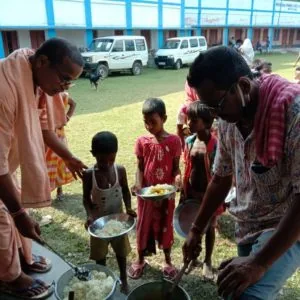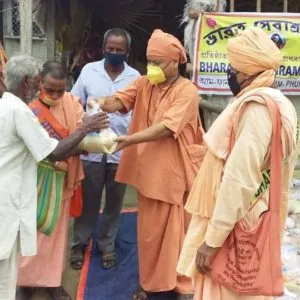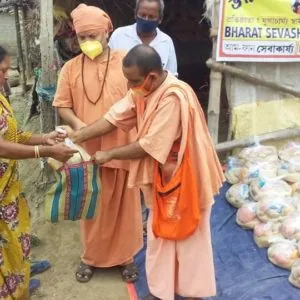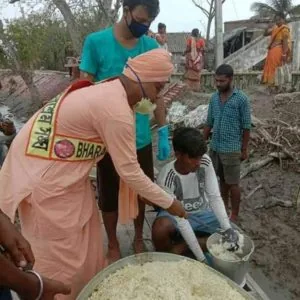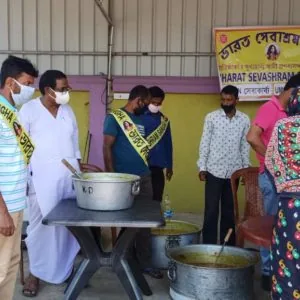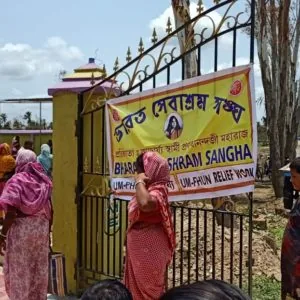
Emergency response
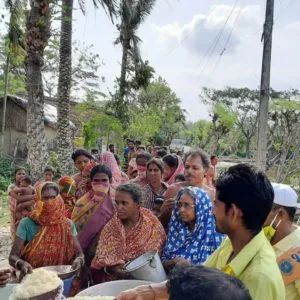
During floods and cyclones, volunteers help move food, drinking water, clothing and essential supplies to affected areas.
 Bharat Sevashram SanghaGurugram Branch
BHARAT SEVASHRAM SANGHA
Relief, healthcare, education, tribal welfare, rural livelihoods and pilgrim services—organised in response to real needs.
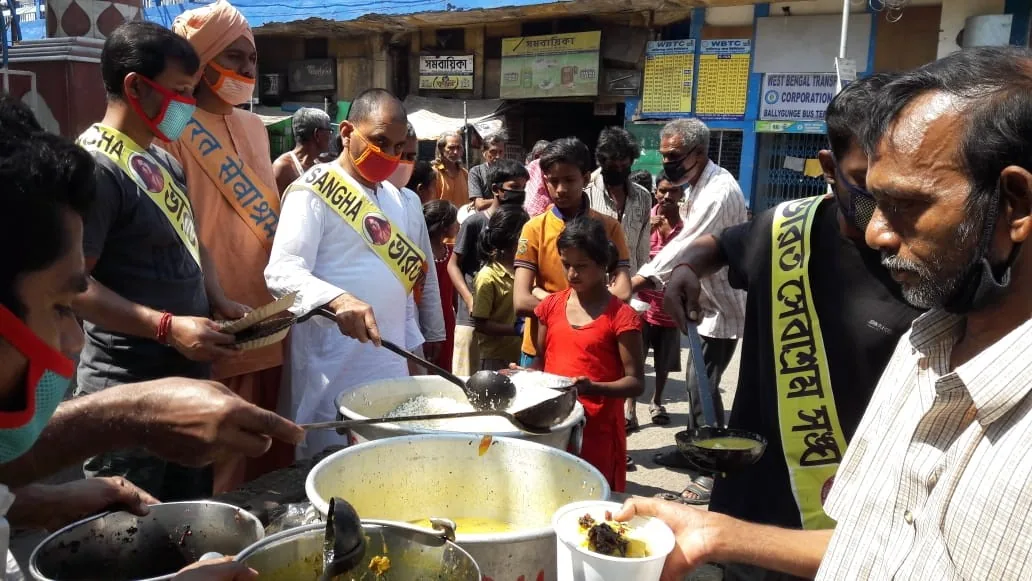
RESPONDING TO URGENT NEED
Local branches, monks and volunteers respond to emergencies with immediate assistance while supporting families through the longer period of recovery.
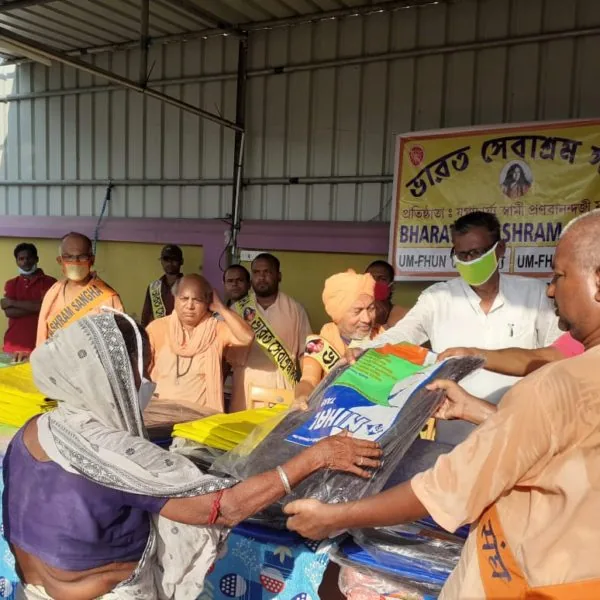
During floods and cyclones, volunteers help move food, drinking water, clothing and essential supplies to affected areas.
Medical outreach and community assistance help meet needs that persist beyond the initial emergency.
Support for self-help groups, practical skills and local occupations can help households regain stability.
SERVICE ACROSS INDIA
Each field calls for different expertise, but the Sangha’s commitment to practical, consistent service connects them.
Hospitals, charitable dispensaries and mobile medical services support people with limited access to treatment.
Schools, student accommodation and educational programmes broaden opportunities for children and young people.
Food, clothing and emergency supplies reach families affected by natural disasters and public emergencies.
Self-help groups, vocational training, cultivation and fisheries provide routes towards greater independence.
HEALTHCARE AND EDUCATION
HEALTHCARE AND ACCESS
Healthcare needs are not confined to cities. The Sangha’s published reports describe hospitals and clinics as well as mobile teams that reach villages where treatment is not easily available. The Sundarbans, Gangasagar and tribal areas of eastern India have featured in these initiatives.
Care has included outpatient consultations, specialist clinics, maternal and child health guidance, medicines, eye services and awareness programmes. In some locations, mobile units return regularly rather than appearing only for a single camp.
This repeated contact is important. It helps people who otherwise postpone treatment because travel is difficult, income is uncertain or facilities are too far from home.
EDUCATION AND OPPORTUNITY
The Sangha has operated primary schools, secondary institutions, hostels and vocational-training programmes, with attention to children from remote or economically disadvantaged communities. Teaching is presented not only as academic instruction but also as a means of building confidence, integrity and independence.
Its tribal welfare work includes residential schooling, supplies such as books and uniforms, skills training and support for rural livelihoods. The organisation’s published programme descriptions mention weaving, tailoring, carpentry, agricultural practices and small enterprise development.
In the Sundarbans, self-help groups have received assistance for activities such as vegetable gardening, fishery, mat-making and poultry. The aim is to give families a stronger economic footing, alongside access to basic education and health services. In places such as Ghatshila and other tribal communities, the Sangha has described residential schooling, mobile dispensaries and training in handloom and craft work. These efforts address barriers that are not solved by one-time aid. A child needs continuing education; a person with an illness needs follow-up; a household needs reliable means of livelihood.
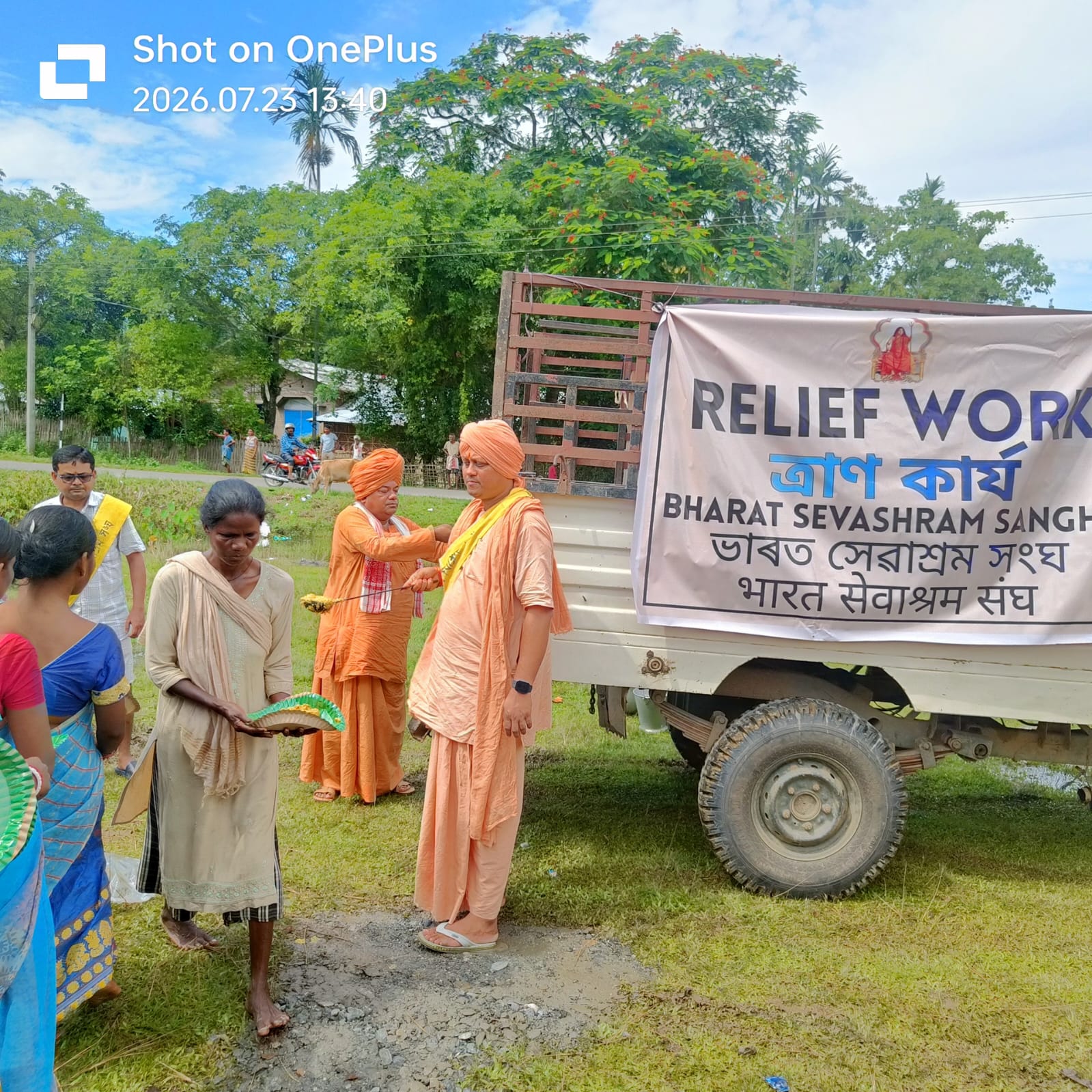
PHOTO JOURNAL
Different moments from Cyclone Amphan relief activities documented by the Sangha.
JOIN THE WORK
Learn about volunteering and community initiatives through BSS Gurugram.