

GURU MAHARAJ / LIFE

The life of a spiritual master

From contemplation
to compassionate action.

A life shaped by intense spiritual discipline—and an equally powerful commitment to the well-being of others.

Discover his journey
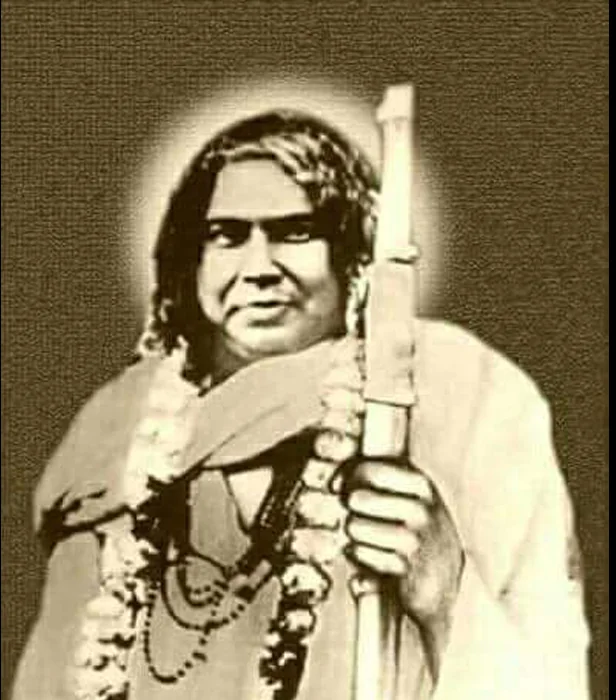
Historical photograph of Swami Pranavanandaji Maharaj
BAJITPUR
1896

A LIFE OF PURPOSE

A quiet beginning.
An extraordinary calling.

Born on 29 January 1896 in Bajitpur, in the Faridpur region of undivided Bengal (now Bangladesh), Swami Pranavanandaji Maharaj was known in his childhood as Binod.

Accounts preserved by the Sangha describe his early inclination toward meditation, simplicity and compassion for others. What began as an inward search would eventually inspire an organized movement of spiritual and humanitarian service.

BAJITPUR · THE FORMATIVE YEARS

The roots of his spiritual journey

Guru Maharaj was born on Maghi Purnima, 29 January 1896, at Bajitpur in undivided Bengal, now in Bangladesh. Sangha biographical accounts identify his parents as Vishnu Charan Bhuia and Saradadevi. The child was named Jaynath and later came to be known affectionately as Binod.

The stories of his childhood repeatedly return to two qualities: a naturally reflective temperament and a concern for the people around him. At a time when family and village life followed familiar patterns, he was remembered for long periods of quiet thought and an unusual seriousness about life's larger questions.

These recollections belong to the Sangha's spiritual history. They help explain how later devotees understood his formation—as a life of purpose growing from a very young age. His story did not begin with public recognition, but with patient inward attention.

01

EARLY YEARS

The inward search

From an early age, Binod displayed an unusual seriousness of mind. The Sangha’s biographical account remembers long periods of contemplation and a natural concern for people around him.

His formative years were marked by a search for spiritual understanding rather than worldly recognition.

02

SADHANA & GUIDANCE

Discipline as a way of life

His spiritual practice centered on meditation, brahmacharya and personal austerity. The Sangha’s historical accounts identify Baba Gambhirnathji of Gorakhpur as an important spiritual guide.

Through these practices he developed the conviction that inner growth must be expressed through courage, self-restraint and service.

03

THE FOUNDING VISION

A mission takes shape

In 1917, he established Bharat Sevashram Sangha. Its mission linked the spiritual aspirations of individuals with the urgent needs of society.

Relief, education, healthcare and social uplift were not peripheral activities: they were expressions of the ideals he taught.

04

SERVICE TO HUMANITY

A life lived for others

As distress from disease, famine and natural calamities affected communities, he encouraged practical relief and personal involvement. The Sangha’s account of his work during crises in Bengal emphasizes service without barriers of caste or community.

That spirit shaped the continuing work of the organization he founded.

Archival image of Acharya Swami Pranavanandaji Maharaj

THE DISCIPLINE OF SADHANA

Training the mind. Strengthening the will.

Accounts of his youth speak of rigorous meditation, brahmacharya and a life marked by austerity. They describe a determination to restrain distractions and direct his energy toward spiritual realization. Such narratives express the importance the Sangha places on sustained practice rather than occasional inspiration.

At the age of seventeen, he received spiritual guidance from Baba Gambhirnathji of Gorakhpur, according to the Sangha's historical accounts. The encounter is remembered as an important step in his spiritual preparation. He would later receive formal monastic initiation in 1924 and become widely known as Acharya Swami Pranavanandaji Maharaj.

His commitment to disciplined living was inseparable from character formation. The ability to master fear, remain steady in adversity and hold firmly to one's ideals became a recurring theme in his later guidance to followers.

WHEN SPIRITUAL PURPOSE MET HUMAN NEED

A life that moved beyond the ashram

01

Responding to distress

In the years following the Sangha’s founding, parts of Bengal experienced severe hardship arising from epidemics, storms and famine. Published accounts describe Guru Maharaj and his disciples taking up relief work during these crises, including the difficult period between 1919 and 1921.

Such work demanded presence, coordination and readiness. It made service a continuing responsibility rather than an occasional act performed when convenient.
02

Building dignity and confidence

His social outlook also included the dignity of communities weakened by poverty and discrimination. The Sangha’s biography discusses his opposition to untouchability, his encouragement of self-reliance, and efforts related to village industries and livelihoods.

For him, the development of moral courage and practical ability belonged together. Helping a person stand with confidence was as important as responding to immediate suffering.

03

Inspiring a disciplined community

Guru Maharaj brought together disciples and supporters who could carry forward an organized mission of spiritual and humanitarian work. The strength of the Sangha would depend not on the personality of one individual alone, but on the character, cooperation and consistency of those who accepted its responsibilities.

The form of the institution reflected his conviction that dedicated people can accomplish more when guided by a shared ideal.

THE SIGNIFICANCE OF HIS LIFE

An enduring example of purpose

It is tempting to remember a spiritual master only through memorable incidents and extraordinary accounts. Guru Maharaj’s life, however, also invites attention to the ordinary disciplines behind extraordinary public work: perseverance, restraint, truthfulness and service carried out without constant expectation of recognition.

The Sangha that emerged from his vision brought monks, workers and well-wishers into education, healthcare, relief and community welfare. Its activities changed with the needs of people and places, while retaining the language of personal duty and collective strength.

His life offers a coherent message: the cultivation of the self is not an escape from the world. It can become preparation for work undertaken for others.

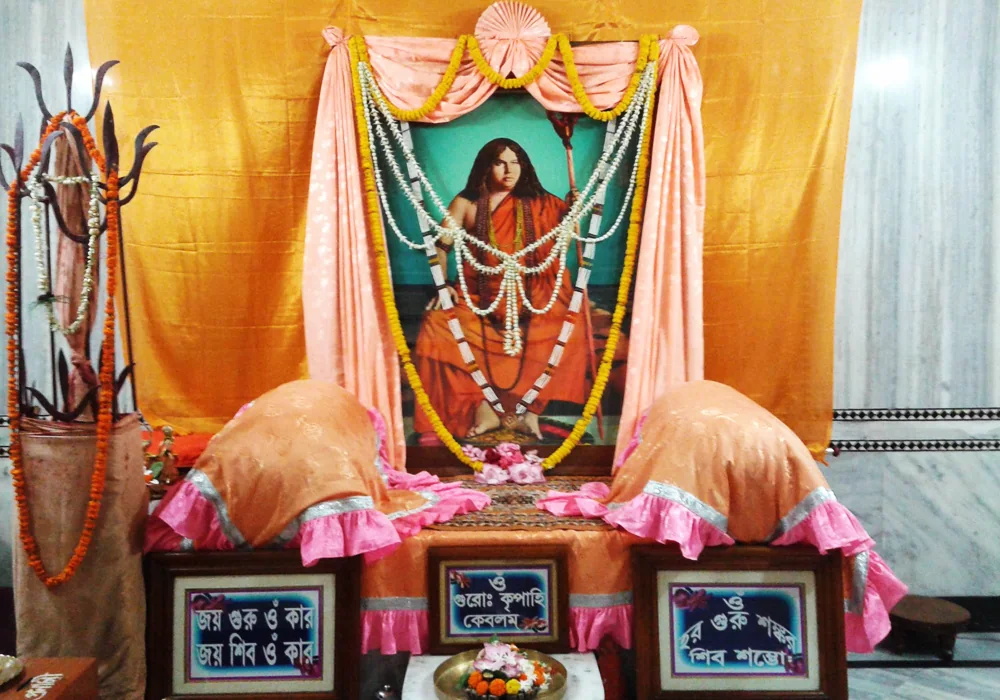
Decorated shrine with portrait of Swami Pranavanandaji Maharaj

HIS CONTINUING INSPIRATION

The mission lives
through service.

The Sangha continues its work through ashrams, schools, medical services and relief initiatives. Across these activities, the founding principle remains the same: spiritual values gain meaning through action for others.

Understand the philosophy

HISTORICAL & DEVOTIONAL IMAGES

A visual remembrance

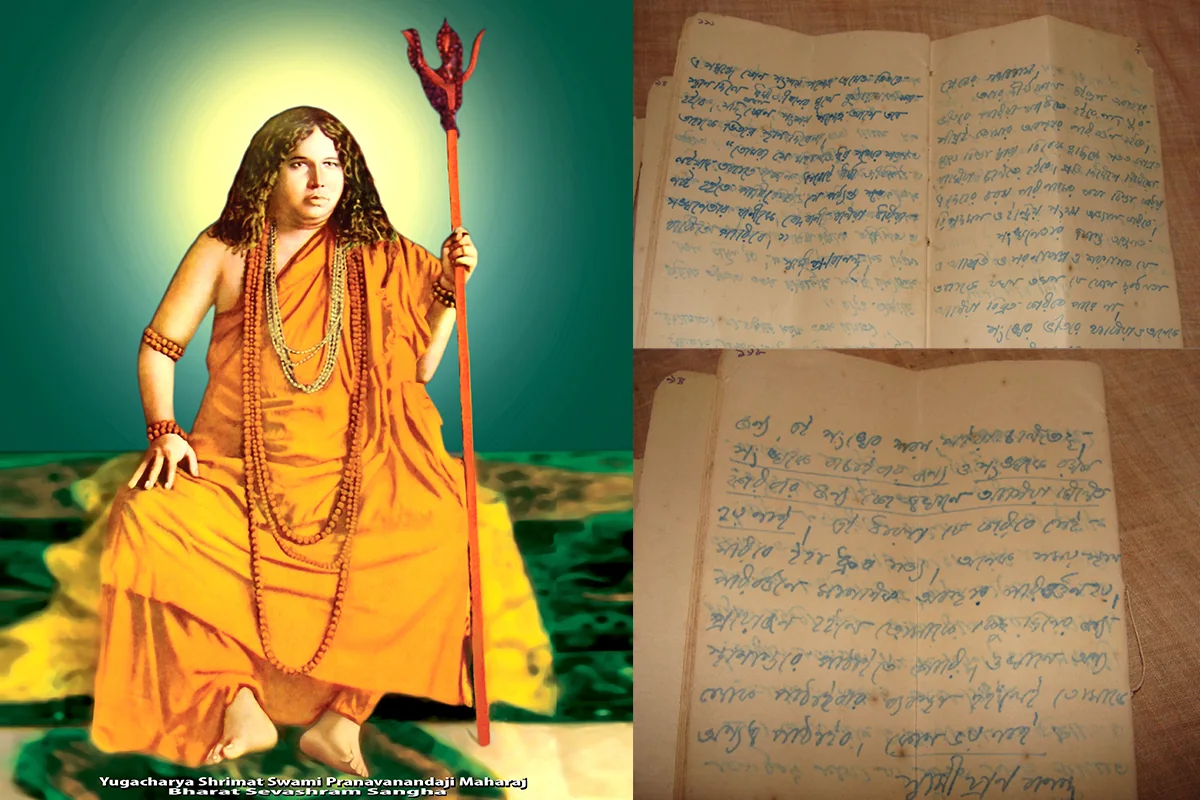
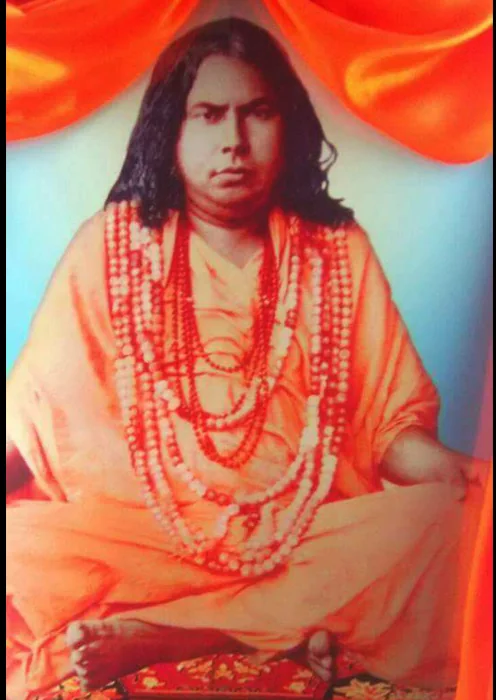
Seated portrait of Acharya Swami Pranavanandaji Maharaj
Another archival image of Guru Maharaj
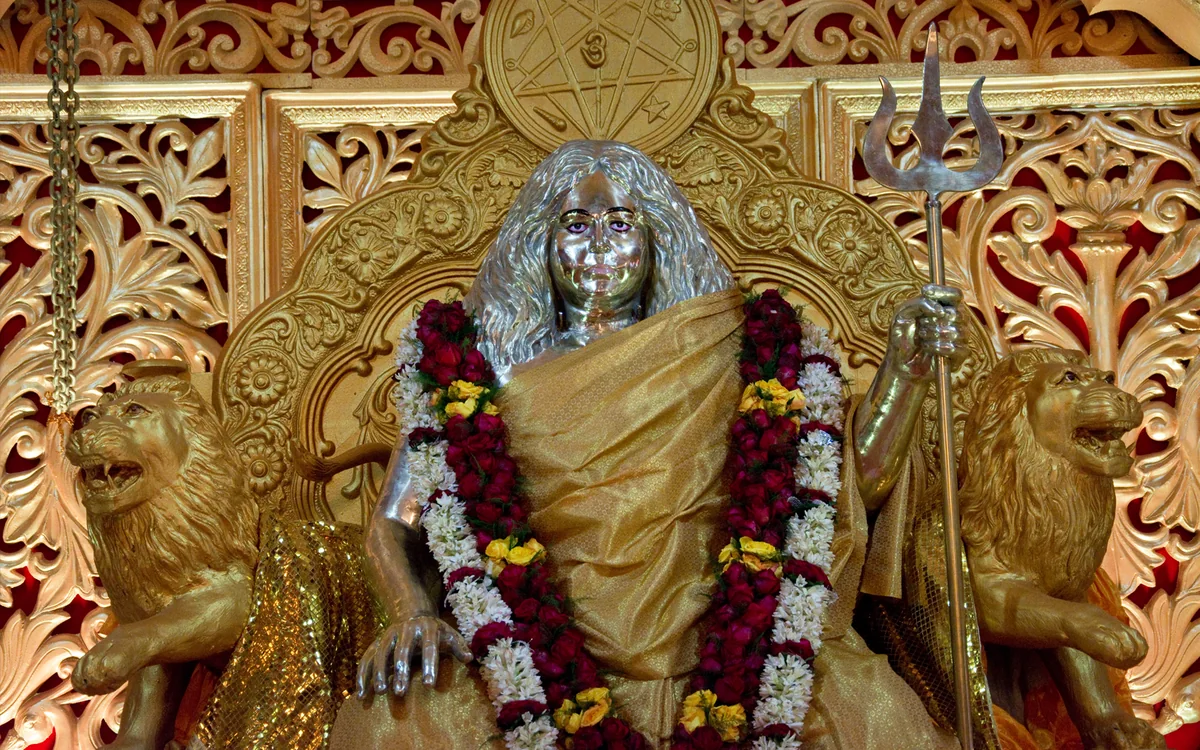
Historic image of Swami Pranavanandaji Maharaj
Garlanded devotional image of Guru Maharaj at an ashram
Scroll to Top